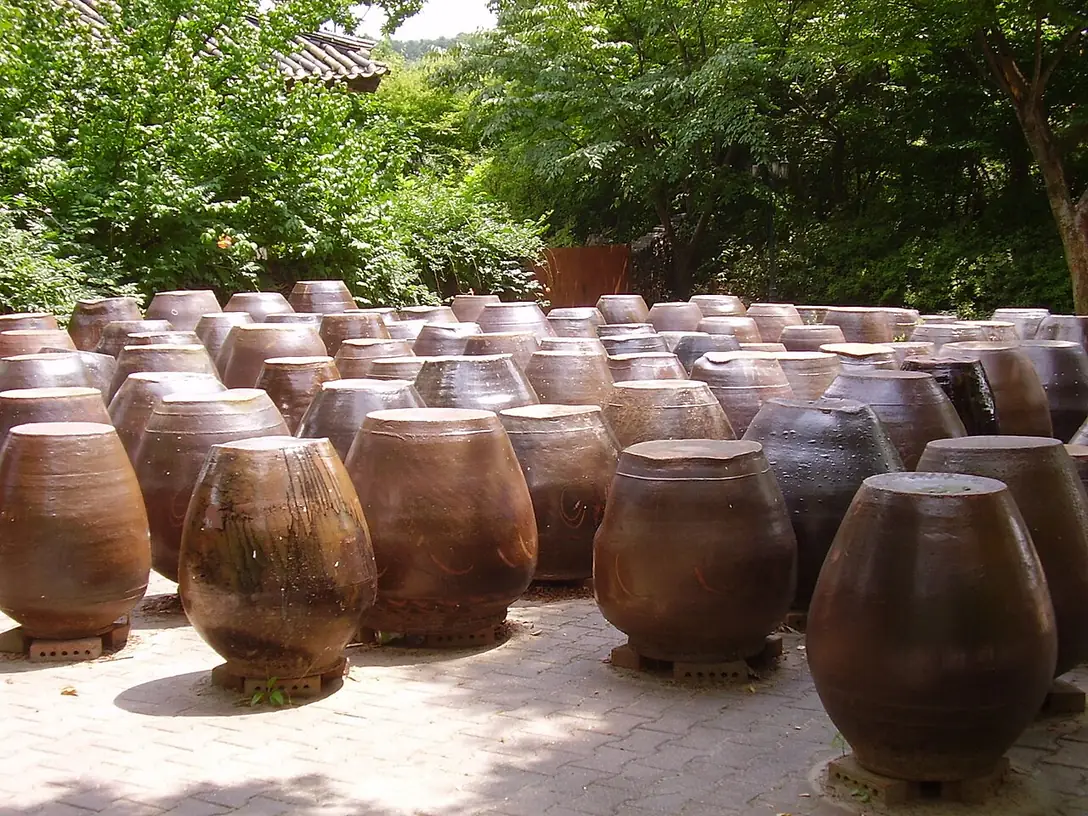
Fermentation (发酵, fājiào) is a biological transformation process in which microorganisms convert food substrates into new compounds, flavours, textures, and preserved foods and beverages. In the Way of Nature Atlas, fermentation is also a practice of working with microbial time: humans create conditions, while microorganisms carry out the transformation. It is the Atlas’s master practice of natural timing and microbial collaboration.
Practice
primary type
Level 1
Concrete entity
22
relationships mapped
Overview
About Fermentation
Fermentation (发酵, fājiào) is a biological transformation process in which microorganisms convert food substrates into new compounds, flavours, textures, and preserved foods and beverages. In the Way of Nature Atlas, fermentation is also a practice of working with microbial time: humans create conditions, while microorganisms carry out the transformation. Fermentation is the Atlas’s master practice of natural timing and microbial collaboration — it connects food, time, microorganisms, preservation, flavour, and seasonal practice, and it can involve yeasts, bacteria, moulds, or combinations of microorganisms depending on the substrate and conditions.
What Fermentation Is. At its simplest, fermentation is the controlled or managed transformation of food by microorganisms and their enzymes. Different fermentation systems produce different outcomes: alcoholic fermentation converts sugars into ethanol and other metabolites; lactic acid fermentation produces acids that change flavour, texture, and preservation conditions; acetic fermentation converts ethanol into acetic acid; mould-based fermentation uses organisms such as Aspergillus oryzae to produce enzymes that break down proteins and starches; and mixed fermentations combine multiple microbial communities and stages. The result may be a preserved food, a seasoning, a beverage, or an ingredient whose flavour and properties differ substantially from the original material.
What Fermentation Is Not. Fermentation should not be treated as synonymous with every form of food transformation. Fermentation is not simply aging — some aging processes involve microbial activity, while others rely primarily on chemical or enzymatic changes. Fermentation is not simply preservation — preservation is an outcome or purpose, and fermentation is one biological mechanism that can produce it. Fermentation is not synonymous with probiotics — some fermented foods contain live microorganisms, while others are processed, heated, filtered, or aged after fermentation. And fermentation is not a single method — different foods depend on different microorganisms, substrates, temperatures, salt concentrations, oxygen conditions, and fermentation stages. This distinction matters because the Atlas treats fermentation as a process and practice, while soy sauce, tofu, douchi, rice wine, and other foods are specific products or ingredients produced through particular fermentation systems.
Fermentation in the Atlas. Fermentation is a bridge between several layers of the knowledge graph: Plant → Ingredient → Fermentation → Flavour → Preservation → Season → Practice. Rice and soybeans become substrates. Microorganisms transform them. Time changes their chemical and sensory properties. The resulting foods become ingredients in a larger culinary system. The Atlas therefore connects Fermentation with Natural Timing, Ecological Intelligence, Umami, Rice, Soy Sauce, Tea, Salt, Tofu, Daoism, and seasonal food practice. For the longer argument — why fermentation matters to food, time, and civilization — see the essay The Fermentation Imperative, which interprets fermentation as a food-system technology; this entity page registers the entity, its definition, and its connections.
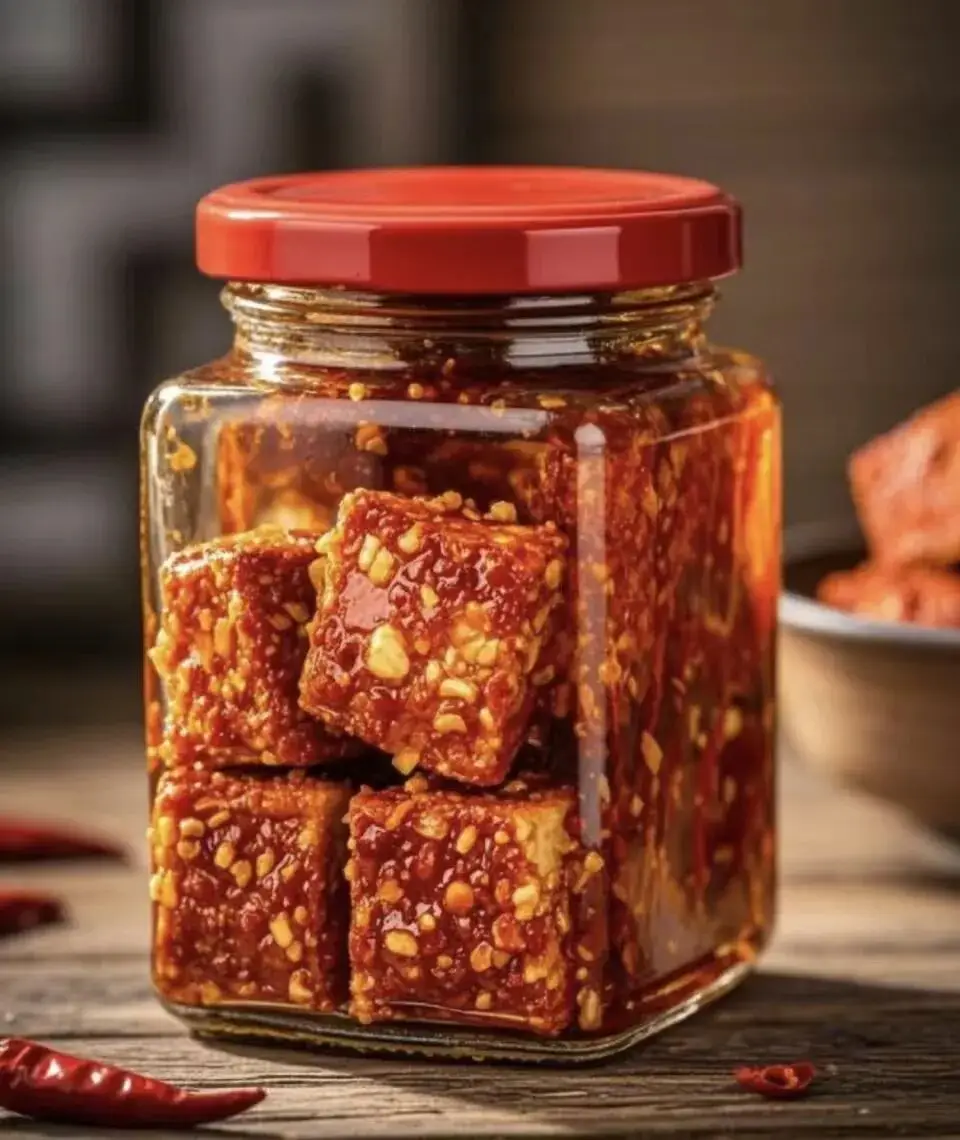
The core method varies by ingredient but follows a universal logic: create conditions under which desirable microorganisms thrive while spoilage organisms are suppressed. Salt is the most common gatekeeper — its concentration determines which microbes can survive, making it indispensable for vegetable ferments and soy sauces. Soy sauce begins with steamed soybeans and roasted wheat inoculated with Aspergillus oryzae mould, then undergoes months or years of brine fermentation. Tofu fermentation, producing the pungent furu (腐乳, fermented tofu), uses rice wine and salt to cultivate a surface mould that digests the bean curd into creamy, savoury cubes.
Furu (腐乳): fermented tofu, produced by surface-mould fermentation of bean curd.
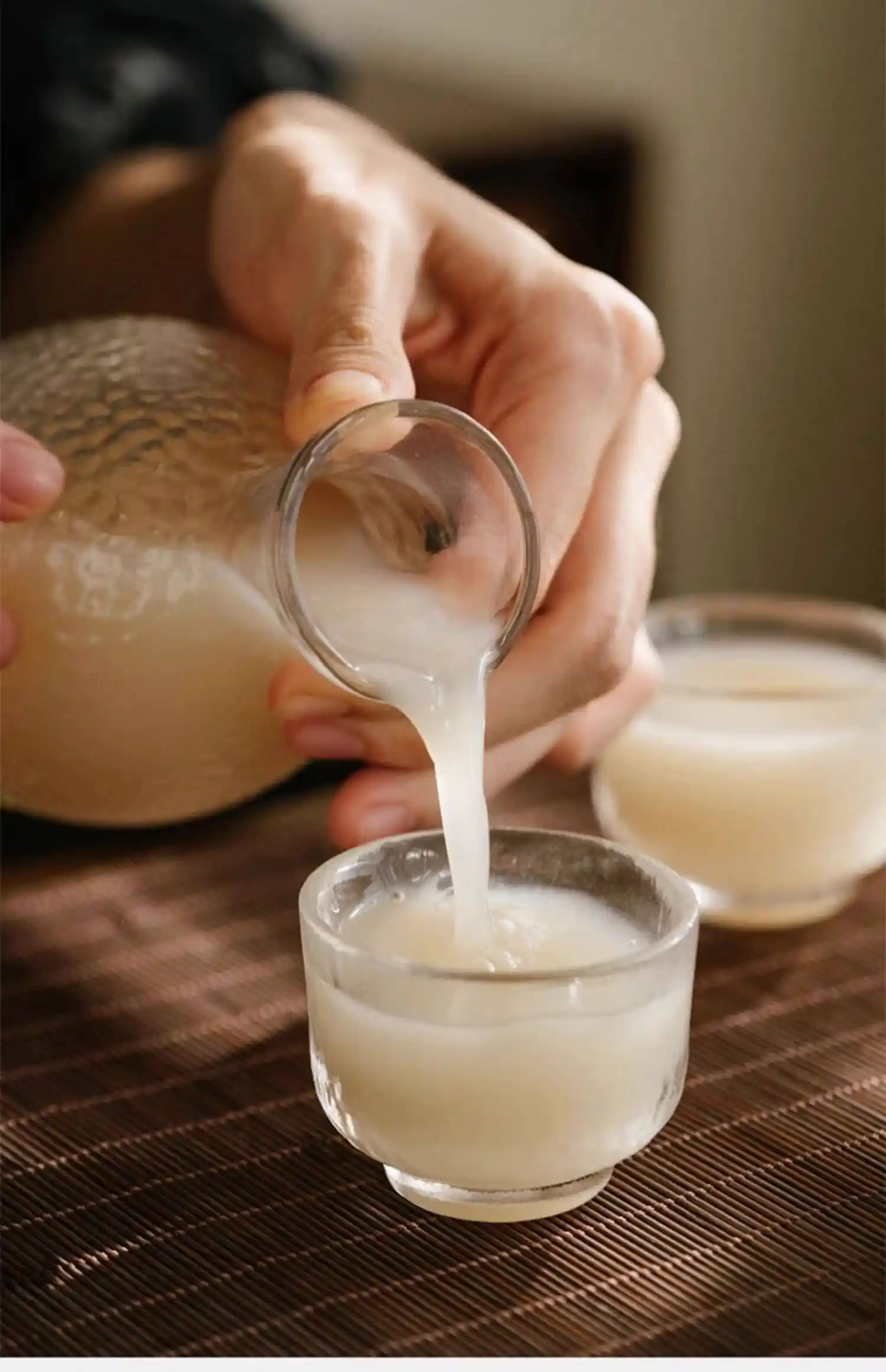
Rice is fermented into rice wine (米酒, mǐjiǔ) and vinegar through yeast-driven alcohol fermentation followed by acetic acid bacterial conversion. Each product follows a specific microbial succession, a choreography of species that the fermenter learns to read by smell, sight, and taste rather than by laboratory measurement.
Fermentation as a Seasonal Practice. Fermentation is sensitive to environmental conditions, especially temperature, moisture, salt concentration, oxygen availability, substrate composition, and microbial community. Traditional fermentation systems often developed around local climates and seasonal availability. This does not mean that every fermentation has one universally correct season; modern controlled fermentation can reproduce many conditions throughout the year. The deeper seasonal principle is that time and environmental conditions are part of the fermentation system. Fermentation makes invisible ecological processes tangible: a fermenter works with organisms that cannot be seen directly, creating an environment in which some microbial processes are encouraged and others constrained. Success depends on observing changes in temperature, aroma, texture, acidity, and gas production — a concrete food-system example of Ecological Intelligence. The temporal layer of seasonal food practice is developed by the Dao of Seasons network site.
Fermentation (发酵) is the Atlas's master practice of natural timing and microbial collaboration. It is the transformational process that connects Plant (rice, soybean, tea) to Ingredient (soy-sauce, tofu, black-tea) through the agency of time and invisible life. Fermentation embodies the Daoist principle of wu-wei—the practitioner creates conditions and then waits, deferring to the internal rhythm of microbial transformation.
What it does NOT duplicate
✕soy-sauce (酱油)—which is a specific fermented product, not the process itself
✕natural-timing (自然时序)—which is the broader temporal principle that fermentation exemplifies
Subsite References
missing-umami
Fermentation as flavour, ingredient transformation, and culinary technique — how microbial protein breakdown builds umami depth in soy sauce, fermented tofu, and aged teas.
dao-of-seasons
Fermentation as a seasonal practice and timing problem — each ferment follows a specific schedule of temperature and microbial windows through the year.
frugal-organic-mama
Fermentation as household practice — practical food preparation, preservation, and everyday kitchen fermentation such as sourdough bulk fermentation and starters.
atlas-of-heritage
Fermentation as cultural heritage — inherited regional traditions and the communities that transmit fermentation knowledge across generations.