The long-form layer of the Atlas. Each essay takes one idea, one system, or one seasonal condition and follows it all the way down — to what it changes, when it changes, and what you can do about it.
Four operating fields — food, body, earth, story. Each one defines a moving structure: what signals matter, what changes first, and how practice should respond.
Fourteen concept essays that define the vocabulary the rest of the Atlas runs on — rhythm, timing, memory, observation, adaptation, harmony.
The longest pieces in the Atlas: the complete seasonal framework, the architecture of seasoning, the four natures of food, and the science of brewing tea.
Systems explain how domains behave through time — pressure, response, sequence, and seasonal change made operational.
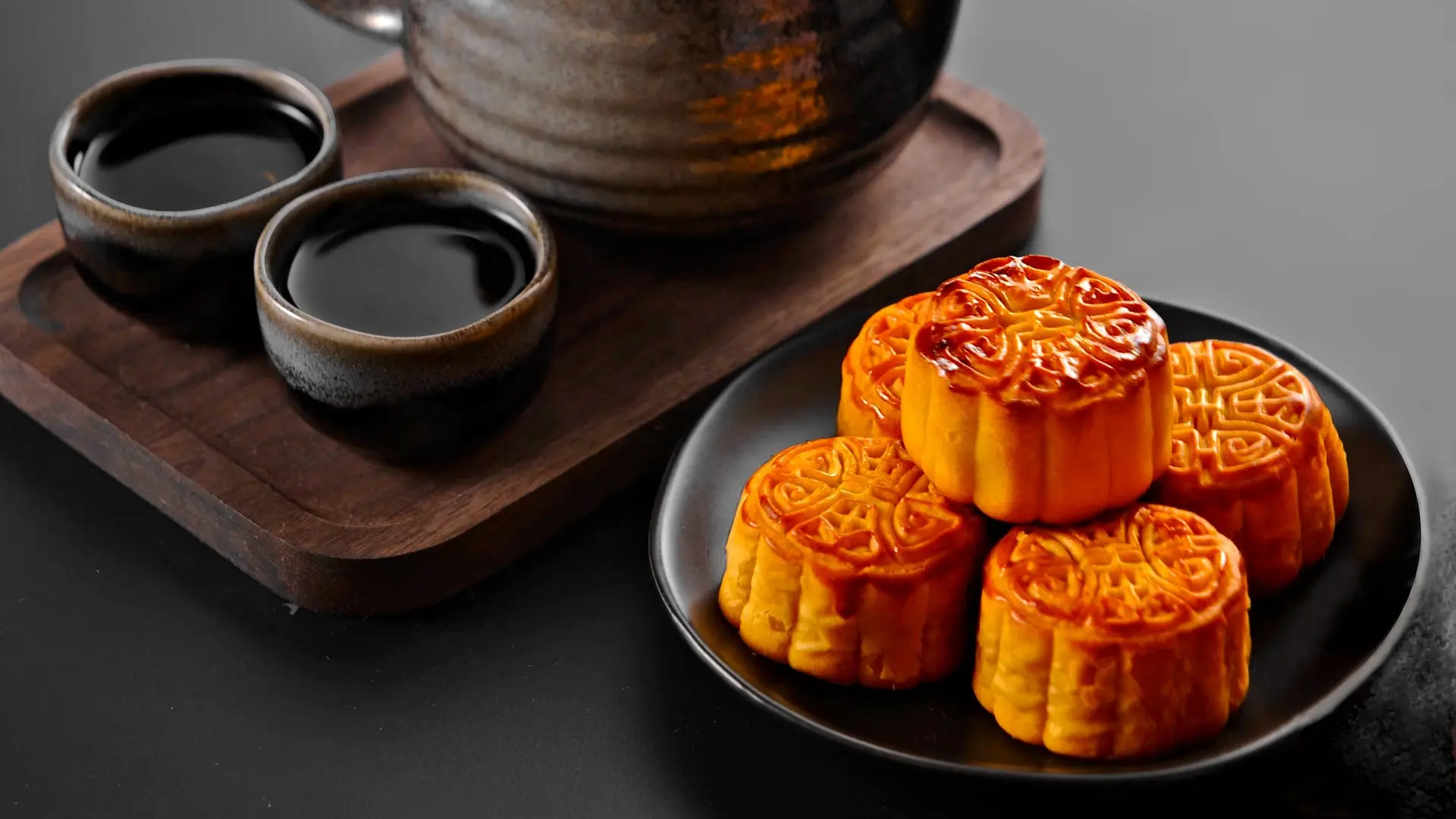
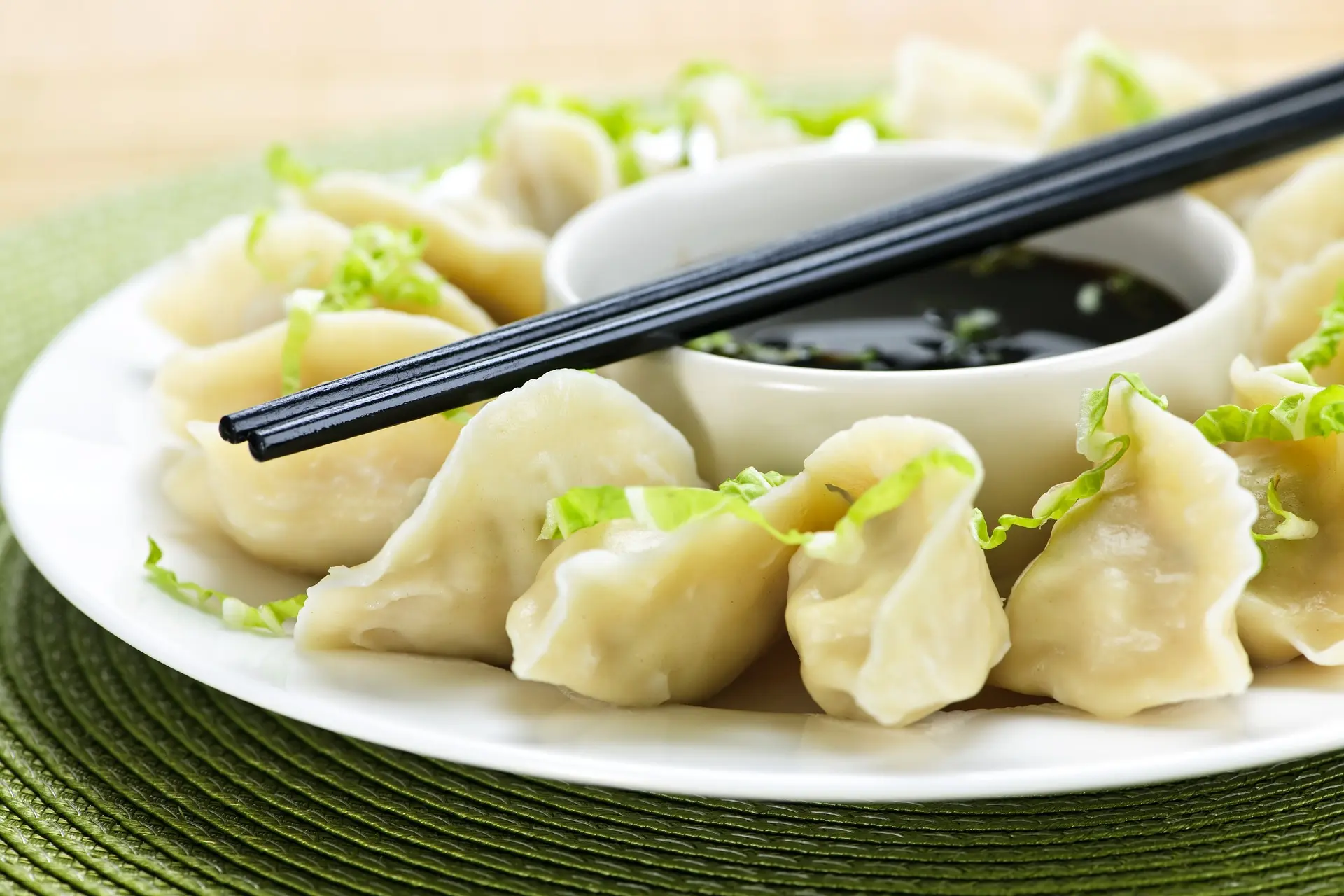
Ingredient cycles, seasonal flavor, and preparation logic as one system — why food follows time, not the other way around.
Read System →
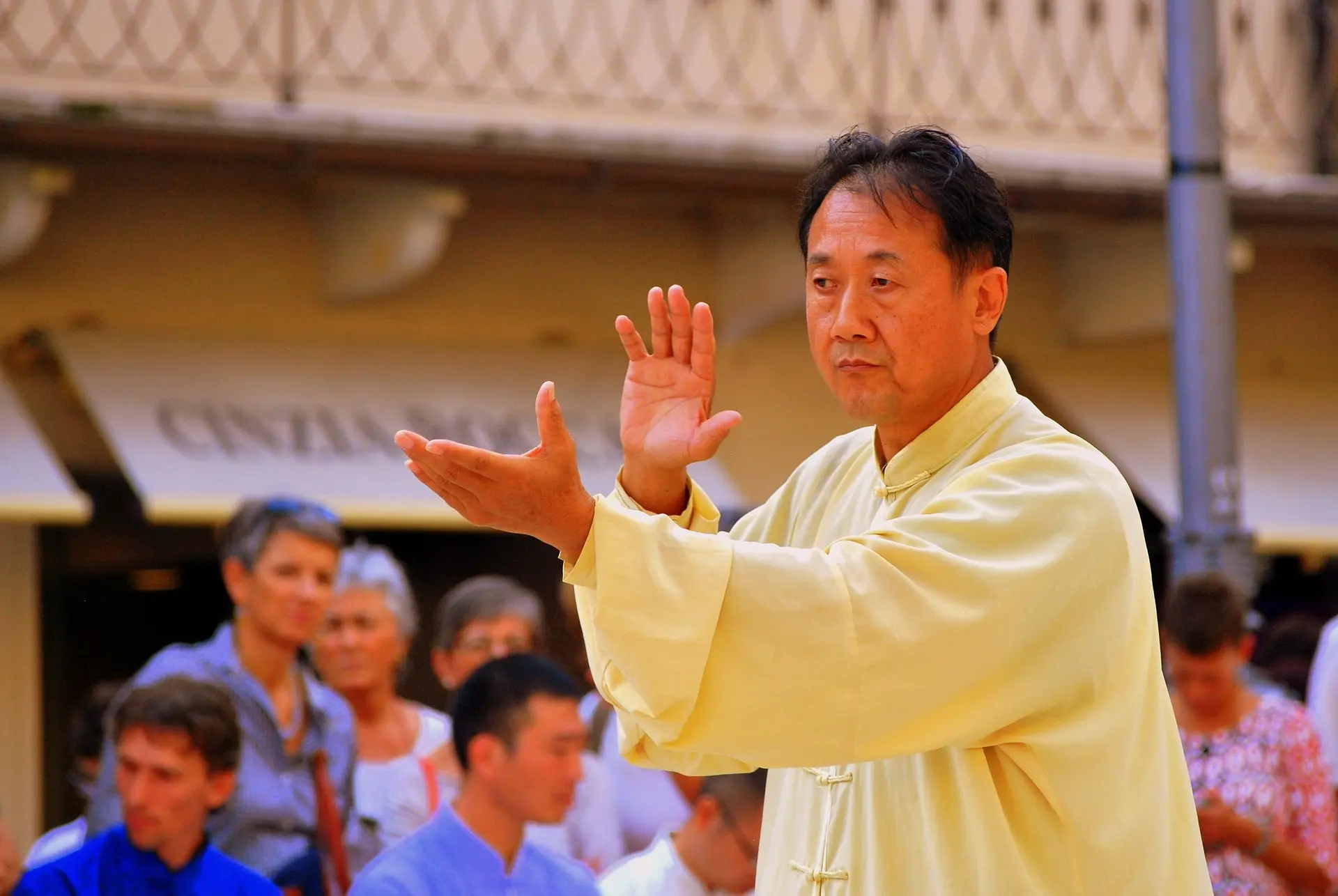
Movement, breath, and stillness through the year — the body as a seasonal system, not a machine on a fixed schedule.
Read System →
Soil, plants, weather, and cultivation as a single framework — land is not a backdrop, it is the primary actor.
Read System →
Narrative as compressed ecological knowledge — myths and tales carrying centuries of observation in transmissible form.
Read System →Concept essays define the ideas that make the rest of the system legible. Start here when you need the definition, not the mechanism.
The household as the most immediate ecological interface: food, water, energy, waste, and seasonal time intersecting daily.
Read →How to read natural systems by understanding the relationships between climate, biology, and human activity.
Read →The body as a seasonal system — movement, rest, and recovery all shifting with the year.
Read →Why the tradition defines harmony against sameness, and why it is the highest-connectivity idea in the Atlas.
Read →Observing animals, plants, and weather as cognitive training rather than background scenery.
Read →The repeated patterns that structure climate, biology, and human life — and how to align with them.
Read →Why when you do something often matters more than what you do.
Read →Rest as a required phase of regeneration — for the body, the soil, and every living system.
Read →How ingredient availability, body needs, and preparation methods all shift with the seasons.
Read →Aligning daily decisions with the recurring cycles of light, temperature, and biological rhythm.
Read →The embodied knowledge that accumulates through repeated seasonal experience.
Read →Noticing what changes in the natural world every two weeks — and treating it as actionable information.
Read →Understanding that can only be acquired through sustained, repeated observation over time.
Read →Noticing the moment when gradual change becomes visible — the frost, the bud, the first firefly.
Read →Where the framework gets worked out in full — the seasonal system, the flavor architecture, and the theory behind what we eat and when.
The full framework: how the 24 solar terms offer guidance for a life lived in harmony with nature.
Read Essay →
Peak heat as a condition, not a poetic name — what extreme temperature reveals about bodies, food, and adaptation.
Read Essay →
Chinese cooking's complete flavor architecture — dried ingredients, fresh aromatics, spice chemistry, and umami stacking.
Read Essay →
Cold, cool, warm, hot: how Chinese dietary theory maps food directly onto the seasonal cycle.
Read Essay →
Why fermentation is a food system technology rather than a recipe — and how it became a civilizational practice.
Read Essay →
Tea as a dynamic system — temperature, time, leaf state, season, and sensory feedback interacting at once.
Read Essay →Living by the Seasons explains the full framework before you descend into any single idea.
Seasonal observation is the entry practice — the skill every other essay depends on.
The Food System turns the abstract framework into ingredient cycles and preparation logic.
Ecological intelligence names the capability the whole project is trying to build.
Seven interconnected sites that form a complete seasonal knowledge system — each one answering a different question about living in rhythm with nature.
The 24 solar terms as your present-tense seasonal interface — what to do, eat, and observe right now.
Chinese cooking decoded — ingredient logic, substitution science, and umami engineering for home cooks.
Tai chi, qigong, and movement traditions — embodied practices aligned with seasonal and cosmological rhythms.
Family-scale sustainability — gardening, food preservation, natural living, and frugal organic practice.
Ecology, wildlife, and the more-than-human calendar — observing the living world's seasonal patterns.
Storytelling at the intersection of heritage, travel, philosophy, and the human experience.
Traditions, crafts, festivals, and the people who keep the world's living cultural heritage alive.