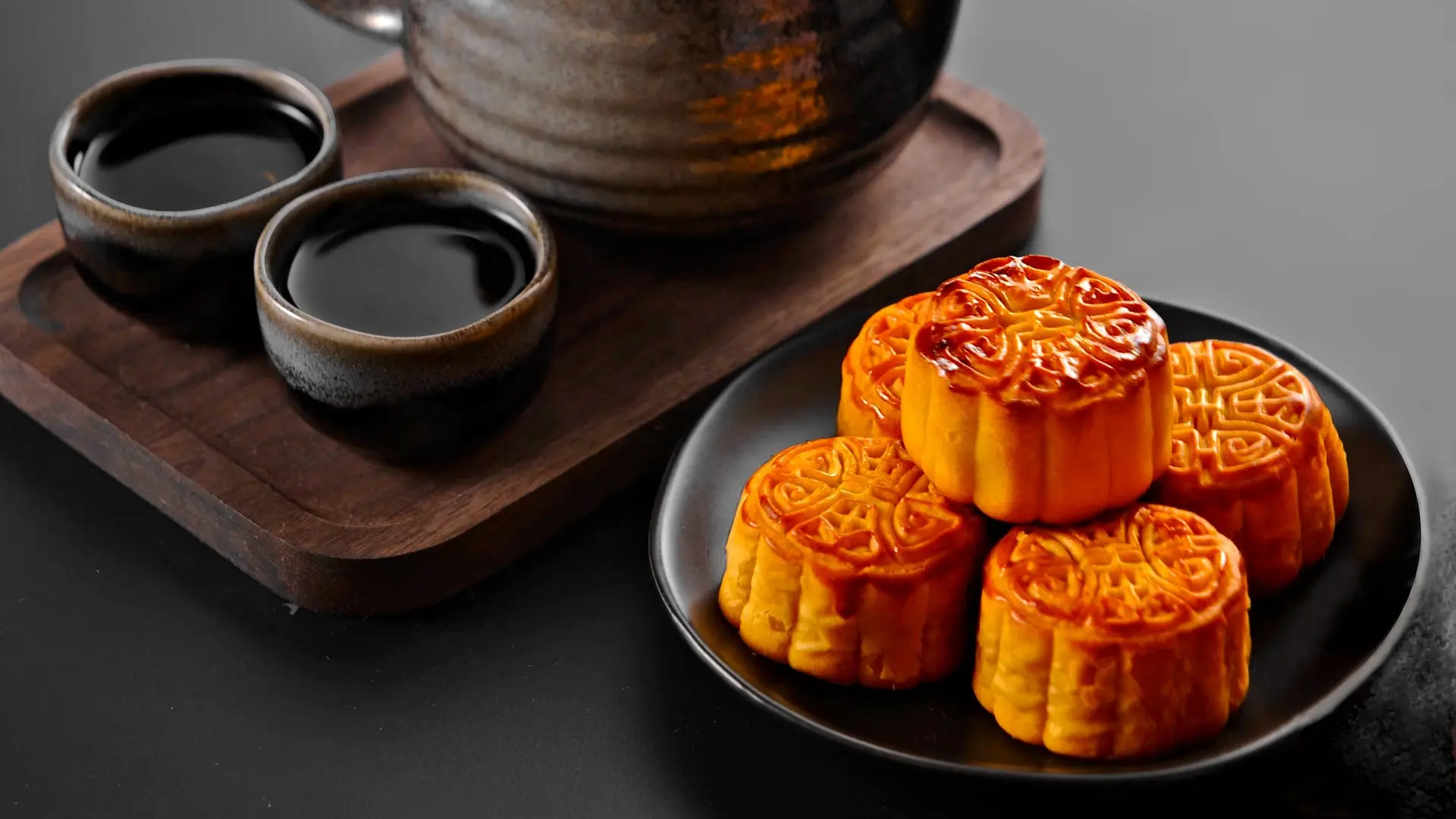
Every food has a nature. This is the claim at the heart of Chinese dietary theory — not as metaphor, not as folk belief, but as a working classification system that has guided eating practices for over two thousand years. The system divides foods into four thermal categories: 寒 (cold), 凉 (cool), 温 (warm), and 热 (hot), with a fifth neutral category (平) for foods that exert no significant thermal effect. These are not subjective descriptions of temperature. They are functional classifications based on how a food interacts with the body's internal state after ingestion — whether it cools, warms, or leaves the system in balance.
This classification system, codified in the Han dynasty's Huangdi Neijing (《黄帝内经》) and refined through centuries of clinical observation, forms the conceptual backbone of what the Atlas calls the Food System. It is not separate from the seasonal logic that organizes ingredient cycles and cooking methods. It is that logic, rendered as a predictive framework: you can determine what to eat at any point in the year by reading the external environment — the season's thermal character — and selecting foods whose nature compensates for or complements it.
Modern food science has no equivalent classification. Western nutritional science categorizes foods by macronutrient composition, vitamin content, caloric density, or glycemic load — all useful metrics, but none of them answer the question that the four-natures system addresses directly: what does this food do to the body beyond providing fuel? The answer encoded in traditional Chinese dietary theory is that every food produces a measurable effect on the body's thermal regulation, metabolic rate, circulation, and fluid dynamics. These effects are not imaginary. They can be observed, repeated, and predicted — once you know how to read the system.
The Correspondence Principle: Why the Season Determines the Food
The four-natures system rests on a single foundational insight: the body is not thermally self-contained. It is continuously exchanging heat with its environment — through the skin, through respiration, through digestion itself. When the external environment is cold, the body conserves heat by constricting peripheral blood vessels and increasing metabolic rate. When it is hot, the body dissipates heat through vasodilation, sweating, and reduced digestive activity. These responses are not optional. They are automatic physiological adjustments that shift the baseline state of every organ system.
The implication for eating is direct and unavoidable: a food that supports the body's thermal needs in winter will burden it in summer, and vice versa. The same bowl of lamb soup that warms the body and improves circulation on a freezing January evening will overheat the same body on a July afternoon, producing thirst, irritability, and the sensation of internal heat that Chinese medicine identifies as a sign of thermal imbalance. The ingredient has not changed. The body's relationship to its thermal environment has. The four-natures system is simply a tool for predicting which foods will harmonize with the body's current state and which will oppose it — a logic that Missing Umami's Substitution Calculator makes computationally explicit by scoring ingredients on their thermal and functional compatibility alongside their flavor profiles.
This is the principle that connects the four-natures classification to the 24 solar terms — the calendar framework documented on Dao of Seasons, which marks the precise timing of seasonal transitions. The solar terms do not merely describe the weather. They describe the body's changing relationship to its environment: what phase of the thermal cycle the body is in, what it needs from food at each two-week interval, and how to select ingredients whose natures match the moment. The four-natures system provides the ingredient logic; the solar terms provide the timing.
| Season | External condition | Body state | Foods needed | Foods to avoid |
|---|---|---|---|---|
| Winter | Cold and dry | Constricted, conserving heat, low metabolic output to extremities | Hot and warm — lamb, ginger, cinnamon, leeks, black pepper | Cold and raw — watermelon, cucumber, mung bean, ice drinks |
| Spring | Warming and rising | Expanding, liver energy rising, transitional sensitivity | Warm — scallion, garlic, coriander, chicken, sour flavors | Excessively cold or excessively hot; stability over extremes |
| Summer | Hot and humid | Open pores, high fluid loss, reduced digestive capacity | Cold and cool — bitter melon, cucumber, mung bean, watermelon | Hot and warming — lamb, heavy oils, excessive spice, deep-frying |
| Autumn | Cooling and drying | Consolidating, lung energy primary, dryness sensitivity | Cool and moistening — pear, tofu, mushroom, sesame, honey | Excessively hot spices; excessively cold raw foods |
The Four Categories Defined
The four natures are not arbitrary. They are the product of systematic observation: generations of cooks and physicians noting that certain foods consistently produced warming or cooling effects regardless of the ambient temperature at which they were served. A bowl of ginger soup warms the body even when drunk cold; a plate of cucumber cools even when eaten at room temperature. The effect is intrinsic to the ingredient, not a function of its serving temperature — though serving temperature can amplify or moderate the effect.
Cold (寒). Foods classified as truly cold represent the most potent cooling category. They are typically high in water content, rich in minerals that have a diuretic or cooling effect, and often contain specific bitter or alkaloid compounds that stimulate digestive cooling responses. Bitter melon is the archetype — it contains compounds that activate digestive enzymes while its extreme bitterness triggers a cooling response through the nervous system. The Missing Umami guide to bitter melon documents how traditional households prepare it (salt-massage, parboiling, pairing with fermented black beans) to moderate its cold quality while retaining its cooling function. Watermelon, mung bean, and bamboo shoot belong to this category. These are summer foods, consumed when the body's internal heat must be actively reduced.
Cool (凉). Cool foods are less intense than cold foods but operate in the same direction. They are the everyday cooling ingredients that appear in summer meals without the dramatic bitterness of the cold category. Cucumber, lettuce, tofu, seaweed, pear, eggplant, and mint are cool. They reduce the body's thermal load without the aggressive intervention that true cold foods provide. In the language of Missing Umami's China Flavor Map, cool foods are the seasoning logic of summer itself — they provide the background thermal adjustment that makes other flavors readable. A summer salad of cucumber and tofu with a light soy dressing is not a modern invention. It is an ancient application of the cool-nature principle: high water content, low metabolic demand, gentle cooling effect.
Warm (温). Warm foods supply gentle, sustained thermal support. They do not produce the immediate sensation of heat that hot foods do, but they raise the body's baseline temperature over repeated consumption. Scallion, chive, coriander, ginger (fresh), chicken, lamb (moderate), walnut, and chestnut are warm. These are the foods of spring and autumn — transitional seasons when the body needs thermal assistance but not extreme intervention. A chicken soup with ginger and scallion, served in early spring, gently raises the body's temperature after winter without shocking the system. The warm category is the most versatile in the system because its effects are mild enough to be used across multiple seasons with appropriate adjustments in quantity.
Hot (热). Hot foods produce an immediate and intense thermal effect. They increase circulation, raise metabolic rate, and generate the sensation of internal warmth. Dried ginger (ganjiang), Sichuan pepper, cinnamon, black pepper, lamb (heavy portions), mutton, and alcohol (particularly distilled spirits) are hot. These are winter foods par excellence — deployed in the coldest solar terms to actively warm the body from the inside. The Start of Winter solar term page on Dao of Seasons marks the traditional transition into the hot-food season: the moment when braised lamb with cinnamon and star anise replaces summer's cucumber salads, when ginger appears in larger quantities, when cooking methods shift from quick and cooling to slow and warming. The same logic applies at the level of individual ingredients: a lamb stew with cinnamon and Sichuan pepper is not a winter dish because of cultural habit. It is a winter dish because the thermal profile of those ingredients — hot natured across the board — matches the body's winter needs.
Neutral (平). A fifth category sits outside the four-nature classification: foods considered neutral, exerting no significant warming or cooling effect on the body. Rice, potato, sweet potato, most legumes, pork, carp, and many commonly cultivated vegetables belong here. Neutral foods are the dietary baseline — they can be eaten year-round without disturbing the body's thermal balance. The existence of this category is structurally important because it reveals that the four-natures system is not exhaustive. It does not claim that every food has a dramatic thermal effect. It identifies the foods that do exert a significant effect and classifies them so that they can be deployed strategically. The neutral category is the background against which the four natures become readable.
Where the Classification Comes From: Observation, Not Doctrine
A common misconception is that the four-natures system is a static taxonomy inherited from ancient texts. The historical record shows the opposite. The system has been continuously revised through clinical observation and practical cooking experience. The Huangdi Neijing (approximately 2nd century BCE) established the correspondence framework, but the specific classification of individual ingredients has shifted over centuries as new foods entered the Chinese culinary system (chili peppers from the Americas in the 16th century, for example, were classified as hot-natured based on observed effects, not textual precedent).
The classification is also not universal across the Chinese medical tradition. Different regional schools classify the same ingredient differently depending on local growing conditions and culinary context. The same scallion may be classified as warm in the northern tradition (where its warming effect is more noticeable against the cold climate) and as neutral in the southern tradition (where ambient warmth makes the scallion's thermal effect less pronounced). This variation is not a weakness. It proves that the system is empirical rather than doctrinal — it adjusts to observable phenomena rather than enforcing fixed categories.
This empirical grounding is what makes the four-natures system compatible with modern scientific investigation. The warming effect of ginger, for instance, has been studied in controlled trials: its active compounds (gingerols and shogaols) stimulate thermogenesis, increase metabolic rate, and improve peripheral circulation — effects that align precisely with its traditional classification as warm-natured. The cooling effect of mung bean soup is not a placebo; the bean's high potassium content supports electrolyte balance during heat-induced sweating, and its polysaccharides have been shown in animal studies to reduce core temperature during heat stress. Traditional observation identified the effects. Modern science is catching up to confirm them.
The Seasonal Cycle as a Food Decision Engine
The four-natures system is most powerful as a dynamic decision engine driven by the seasonal calendar. The same ingredient, eaten at different times of year, produces different effects — not because it changes but because the body's baseline state changes. The system accounts for this: the quantity and frequency of warm or cool foods should be calibrated not only to the ingredient's nature but to the season's intensity. A small amount of ginger is appropriate year-round as a cooking aromatic. A large amount consumed daily is appropriate only in winter, when the body can absorb its warming effect without overheating.
The 24 solar terms provide the granularity that makes this calibration precise. The Major Heat solar term — the peak of summer intensity — demands the most aggressive deployment of cold and cool foods because the body is under maximum thermal stress. The Autumn Equinox, by contrast, demands a transitional deployment — increasing warm foods gradually as the body begins its inward turn, but not so aggressively that the system overheats while the external temperature is still moderate. The precision of the solar terms (each term spans approximately fifteen days) allows the food system to adjust at a tempo that matches the actual rate of environmental change, rather than the coarse four-season division.
This is where the four-natures system connects directly to the Atlas framework. The same seasonal eating logic that organizes ingredient cycles and cooking methods also organizes the thermal dimension of food choices. The four natures provide the causal explanation for why seasonal eating works: it is not simply that fresh ingredients taste better (though they do). It is that ingredients selected according to their thermal nature actively support the body's seasonal adaptation. The body in winter needs warming foods because it is cold. The body in summer needs cooling foods because it is hot. The system is not arbitrary. It is biomechanical.
The Cooking Method as a Thermal Modifier
The four-natures system does not apply only to raw ingredients. Cooking methods themselves have thermal effects that can amplify, moderate, or transform an ingredient's nature. Long, slow cooking in liquid (braising, stewing) makes a food warmer in nature — the thermal energy of the cooking process is transferred to the ingredient at a molecular level, breaking down fibers and making the food's warming compounds more available. Raw or minimally cooked preparations preserve or amplify a food's cooling nature. Stir-frying at high heat — the signature technique of Chinese cooking — occupies a middle ground: it modifies the ingredient's texture and flavor without the deep thermal transformation of slow cooking.
The practical implication is that a skilled cook can adjust the same ingredient for different seasons by changing the preparation method. A cucumber eaten raw in summer is a cooling food. A cucumber lightly stir-fried with garlic in spring is still cooling but less intensely so — the thermal modification of the cooking method has partially offset the ingredient's cold nature. The aromatic base described in The Architecture of Seasoning — ginger, scallion, garlic deployed at the beginning of nearly every dish — serves a double function: it builds flavor and calibrates thermal effect. Ginger warms; scallion gently warms; garlic is warming in its dried form but neutral to warm when fresh. The same aromatic base that begins a summer stir-fry and a winter braise may use the same ingredients in different proportions precisely to achieve different thermal outcomes.
Missing Umami's culinary guides document this principle implicitly in every recipe. A summer bitter melon dish pairs the cold-natured vegetable with fermented black beans (warm) and garlic (neutral-to-warm), creating a thermal composite that cools without chilling. A winter lamb stew pairs the hot-natured meat with cinnamon (hot) and star anise (warm), creating a thermal intensity matched to the season's cold. The recipes are not labeled with thermal classifications. But the thermal logic runs through every ingredient choice and technique decision. Once you know how to read it, the system becomes visible in every dish.
Why the System Matters Now
The four-natures system might seem like an artifact of pre-modern food culture — a classification system superseded by nutritional science and irrelevant to a globalized food system where any ingredient is available at any time of year. This view misunderstands what the system actually does. The four natures are not a substitute for modern nutritional knowledge. They are a complementary framework that addresses a dimension of eating that modern nutrition largely ignores: the relationship between food and the body's thermal and metabolic state, a relationship that changes with the environment.
In a world where climate-controlled homes make every season feel like spring, where air-conditioned supermarkets offer the same produce in January and July, where the seasonal logic of food has been systematically erased by industrial supply chains, the four-natures system offers something that modern nutrition cannot provide: a coherent explanation for why eating seasonally matters to the body itself, not just to the environment. The system does not require access to farmers' markets or home gardens. It requires only the recognition that food choices have thermal consequences, and that matching those consequences to the season is not a luxury but a form of bodily intelligence.
The Ecological Intelligence concept in the Atlas describes the ability to read natural systems through their own logic. The four-natures system is ecological intelligence applied to food. It treats the body as a thermally responsive system embedded in a seasonally changing environment, and it provides a practical method for maintaining thermal balance through food choices. The system works because it is grounded in observable, repeatable phenomena — the same kind of empirical observation that drives modern food science, though organized around a different set of questions.
The question the four-natures system asks — what does this food do to the body beyond providing calories and nutrients? — is one that modern food culture has largely stopped asking. Missing Umami's foundational essay on umami demonstrates that there is still room for frameworks that treat food as something more than fuel — that the body's response to food includes dimensions (flavor synergy, thermal effect, seasonal suitability) that are real, measurable, and systematically overlooked by conventional nutritional science. The four-natures classification is one of those dimensions. It has been tested against two thousand years of human experience. That is a stronger evidence base than most modern dietary recommendations can claim.
Reading the Food System Through Thermal Logic
The four-natures system is not separate from the other frameworks the Atlas uses to organize food knowledge. It is the thermal layer of the larger Food System — the dimension that explains why ingredient cycles, preparation methods, and seasonal timing all converge on the same dietary choices. The ingredient cycle tells you what is available. The preparation logic tells you how to cook it. The solar term calendar tells you when to act. The four-natures system tells you which choices will support the body and which will oppose it, given the current environmental conditions.
Consider a winter meal through this lens. The Start of Winter solar term has passed. The environment is cold. The body is constricted, conserving heat. The ingredient cycle offers root vegetables, preserved ingredients, and winter greens. The cooking logic demands slow, moist heat — braising, stewing, hot pot. The fermentation cycle has shifted from active microbial fermentation to enzymatic aging; the soy sauce in the pantry was made in the summer sun, its deep umami ready to support winter dishes. The four-natures system adds the final dimension: select warming ingredients (lamb, ginger, cinnamon), cook them with heat-retaining methods (braising, slow simmering), and serve them hot. Every layer of the food system — ingredient cycle, fermentation timing, cooking method, solar term calendar — points toward the same decision. The four natures make explicit the thermal logic that connects them all.
The same convergence operates in summer, at Major Heat. The environment is hot. The body is thermally stressed, its digestive capacity reduced. The ingredient cycle offers high-water-content vegetables — bitter melon, cucumber, mung bean. The cooking logic minimizes thermal load: quick stir-fries, raw preparations, minimal use of oil and heavy heat. The fermentation cycle is at its peak — summer's sun powers the koji molds that transform soybeans into sauces that add flavor without requiring heavy digestion. The four-natures system confirms the direction: select cooling ingredients, prepare them with methods that preserve their cooling quality, and serve them at moderate temperatures. Again, every layer converges.
This convergence is not accidental. It is the sign of a coherent food system — one in which every dimension of food knowledge (ingredient, timing, method, thermal effect) points toward the same conclusion because they all arise from the same source: the body's relationship to the seasonal environment. The four-natures system is the explanatory layer that makes the rest of the food system intelligible. Without it, seasonal eating risks appearing as mere tradition or cultural preference — habits without reasons. With it, seasonal eating becomes what it actually is: a body of empirically grounded knowledge about how food interacts with the human organism under varying environmental conditions.
The Fourth Layer: From Body System to Food System
The four-natures classification completes the passage from the Body System to the Food System that this essay series has been tracing. The Body System establishes the body as a seasonally responsive organism. The Fermentation Imperative establishes that food carries seasonal information through microbial activity. The Architecture of Seasoning establishes the four-layer structure for deploying flavor. The Four Natures now adds the thermal dimension that connects body and food directly: the body needs different thermal inputs at different times of the year, and the food system has evolved to provide exactly those inputs through ingredient selection, preparation method, and timing.
These four essays together form a complete argument: the body is seasonal, food carries seasonal information, cooking methods translate that information into edible form, and the thermal nature of food — the oldest continuous food classification system in the world — provides the framework for choosing correctly at every point in the annual cycle. It is a unified theory of how food and the human body coordinate with the seasons.
The loss of this knowledge under industrial food culture is a genuine narrowing of the human capacity to eat well. When the thermal dimension of food is erased, eating becomes preference and convenience rather than coordination and intelligence. The meal still nourishes — calories are calories — but the dimension that connects the plate to the season, the ingredient to the body's actual needs, the cooking method to the weather outside — that dimension disappears. The four-natures system is not a prescription. It is a recovery tool: a framework for rebuilding the lost ability to read the meal as a response to the season. It is the oldest tool we have for eating not just well, but wisely.