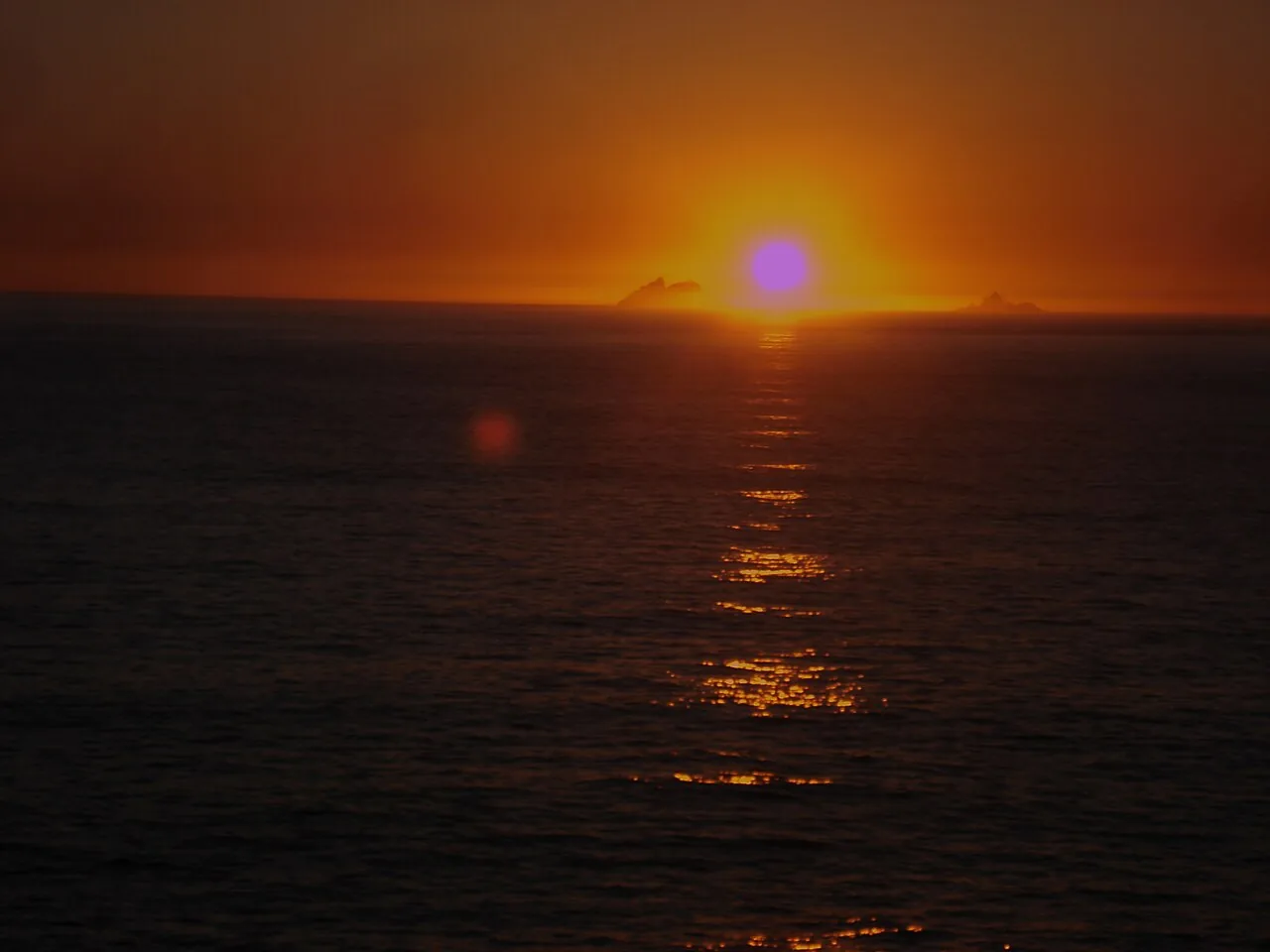
The summer solstice is the astronomical moment when the Sun reaches its highest declination of +23.44°, marking the longest day and shortest night of the year in the Northern Hemisphere. It occurs around June 21 annually and has been observed as a cultural threshold across civilizations.
The summer solstice is the astronomical moment when the Sun reaches its highest declination of +23.44 degrees, marking the longest day and shortest night of the year in the Northern Hemisphere. It occurs around June 21 annually, though the exact instant shifts slightly from year to year.
The Atlas treats the solstice as a threshold rather than a date. It is the point at which the Sun's power is at its height and the year begins its turn toward the darker half. The summer and winter solstices are opposite points on the solar year, and each is defined by its distance from the other.
Observance of the solstice differs by tradition. Litha, the name given to the solstice in some modern traditions, is treated as a subject in its own right rather than as another name for the same thing, because it names the solstice in a different vocabulary. Spring Festival, which the registry also anchors to the start of spring, belongs to that seasonal cycle rather than to the solstice.
Where the Atlas speaks about the solstice, it speaks about the turning point. The longer days that follow are not an extension of the festival; they are the consequence of the astronomical event the festival marks.
Each relationship represents a meaningful semantic link between Summer Solstice and other entities in the Atlas knowledge graph.
These entities share semantic relationships with Summer Solstice in the Atlas knowledge graph.
The summer turning point of the solar year, and the reference against which the winter solstice is defined.
The seasonal layer owned by Dao of Seasons, where the solstice is described as a turning point in the year.
https://en.wikipedia.org/wiki/Solstice
Moon Medicine Yoga · 11K views · YouTube ↗
RosicrucianTV · 3K views · YouTube ↗