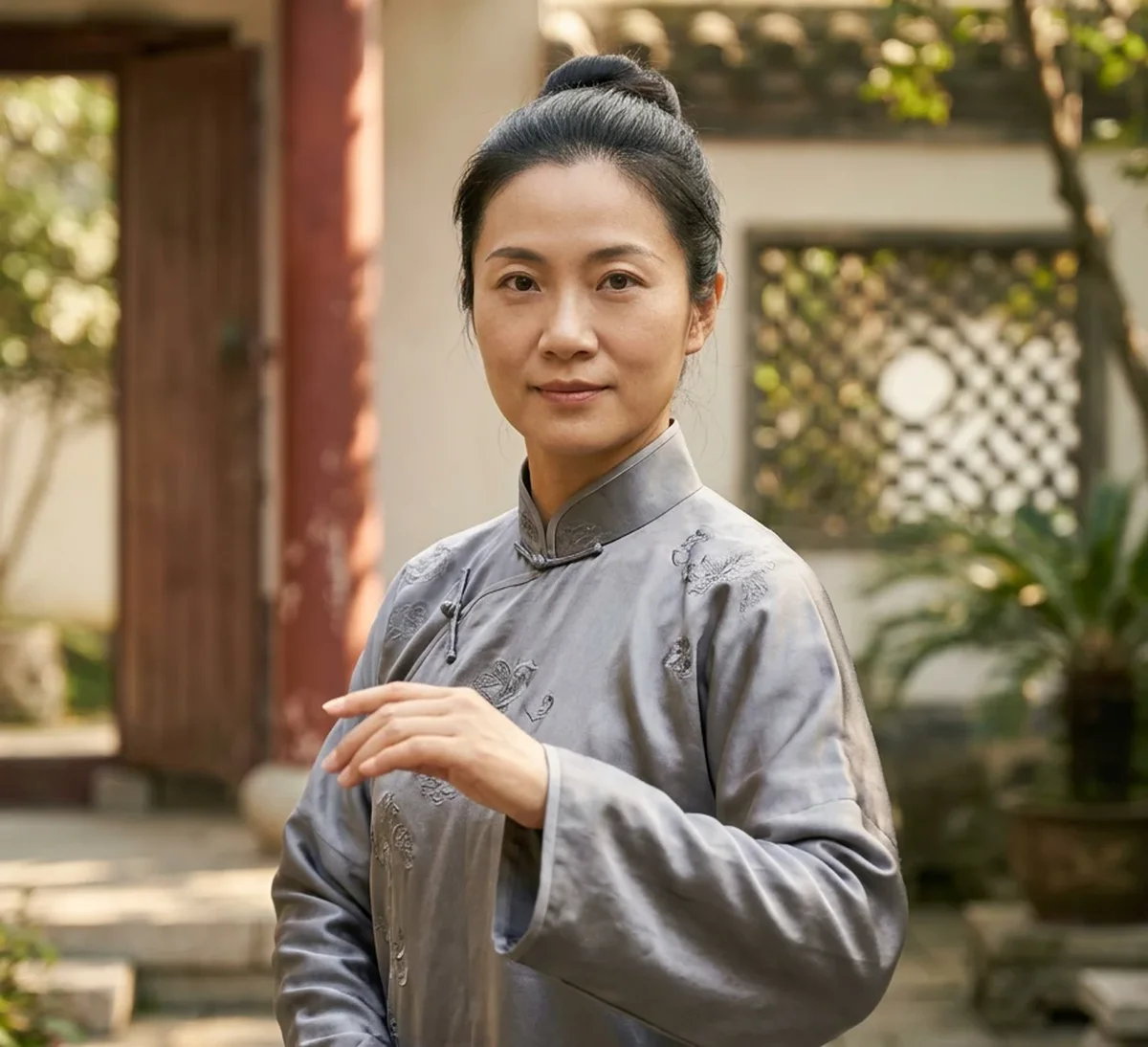
Atlas is the public identity layer. These are the anchor voices that make the explanation system human, relational, and cross-site legible.
The goal is not to simulate noise. The goal is to create enough distinction that a site can carry different forms of expertise, memory, rhythm, and worldview without collapsing into one anonymous editorial tone.
Different voices let a site speak through practice, memory, explanation, and interpretation rather than repeating one texture.
A site roster gives readers recurring identities and stable ways to navigate across articles and domains.
Three to five voices is enough to create specialization without losing coherence.
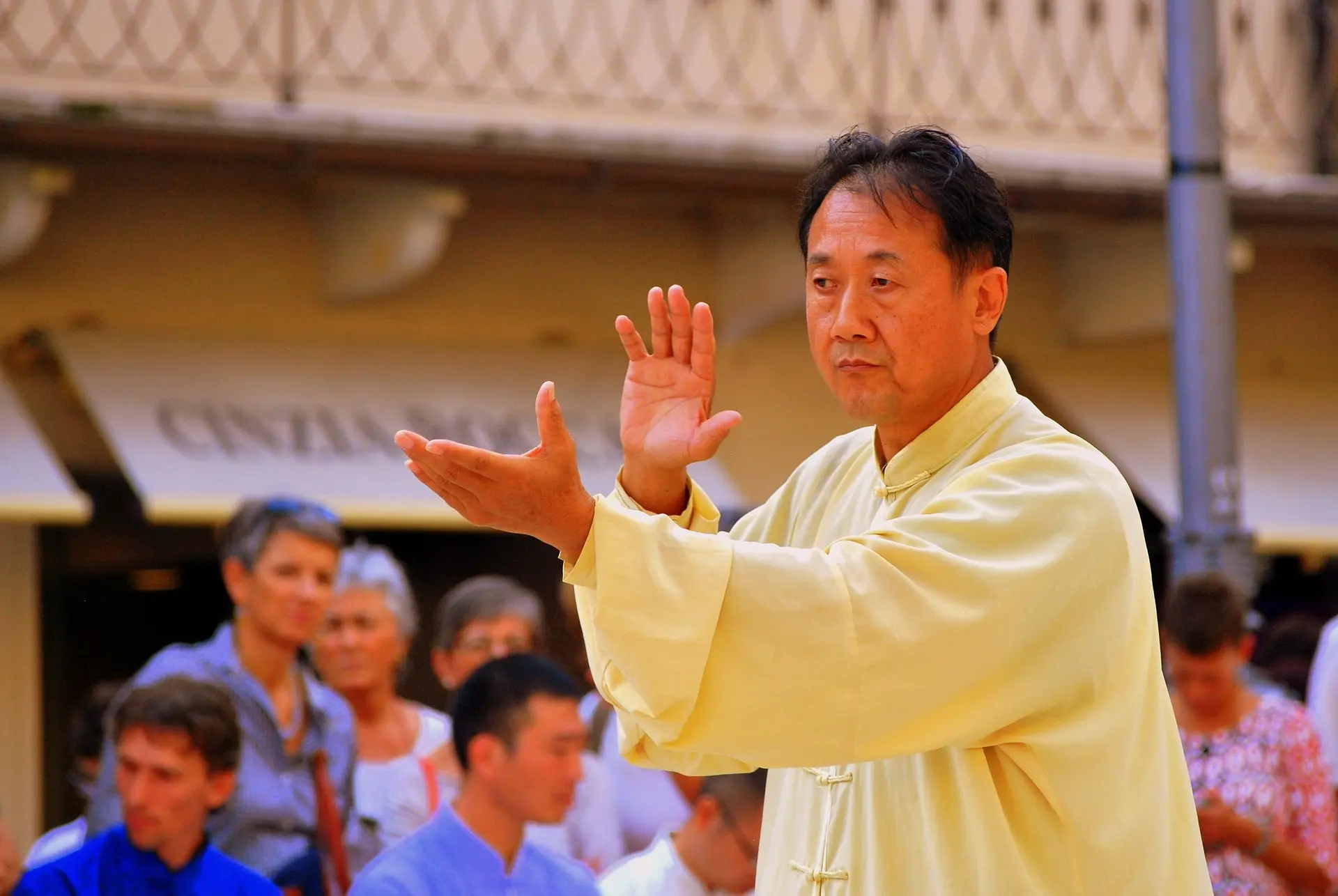
A senior teaching voice focused on basics-first tai chi instruction, body alignment, rhythm, and long-term practice.
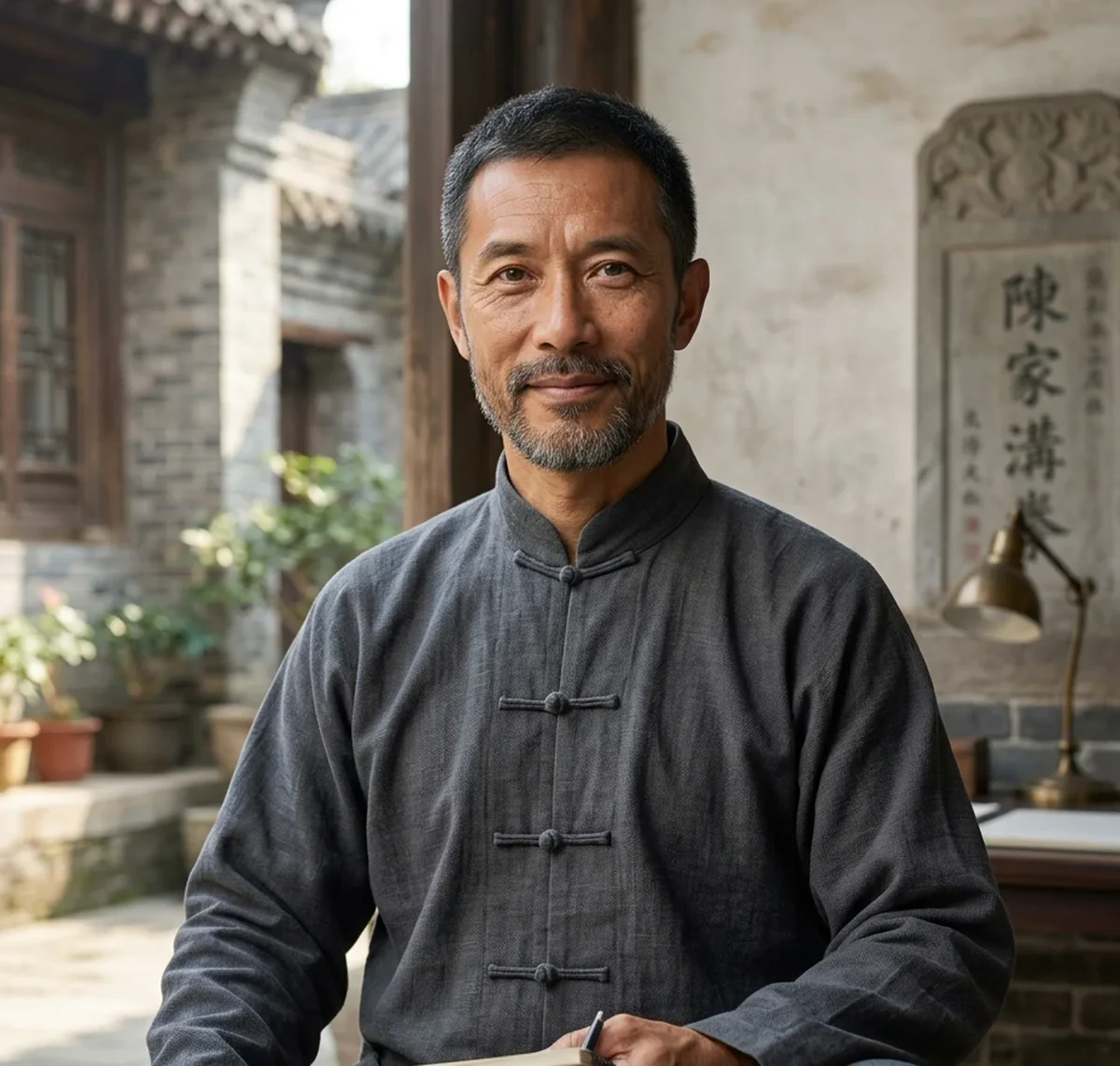
A lineage-based public teaching voice focused on structure, body feeling, practical method, and long-term Chen-style tai chi cultivation.
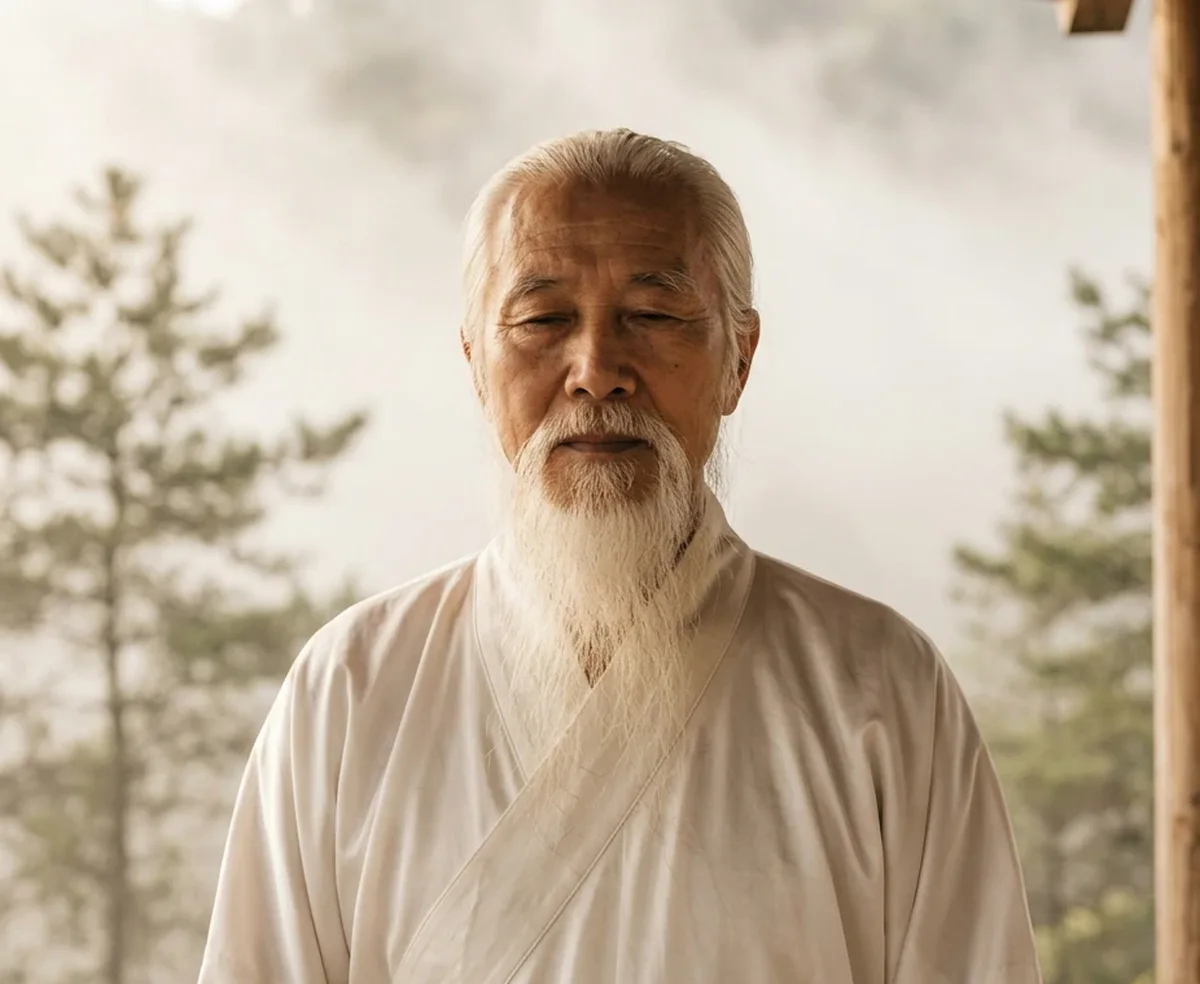
A lineage-based public teaching voice focused on structure, calmness, rhythm, and the cultural transmission of Yang-style tai chi.
A research-oriented ecological voice connecting observation, landscape change, and more-than-human attention.
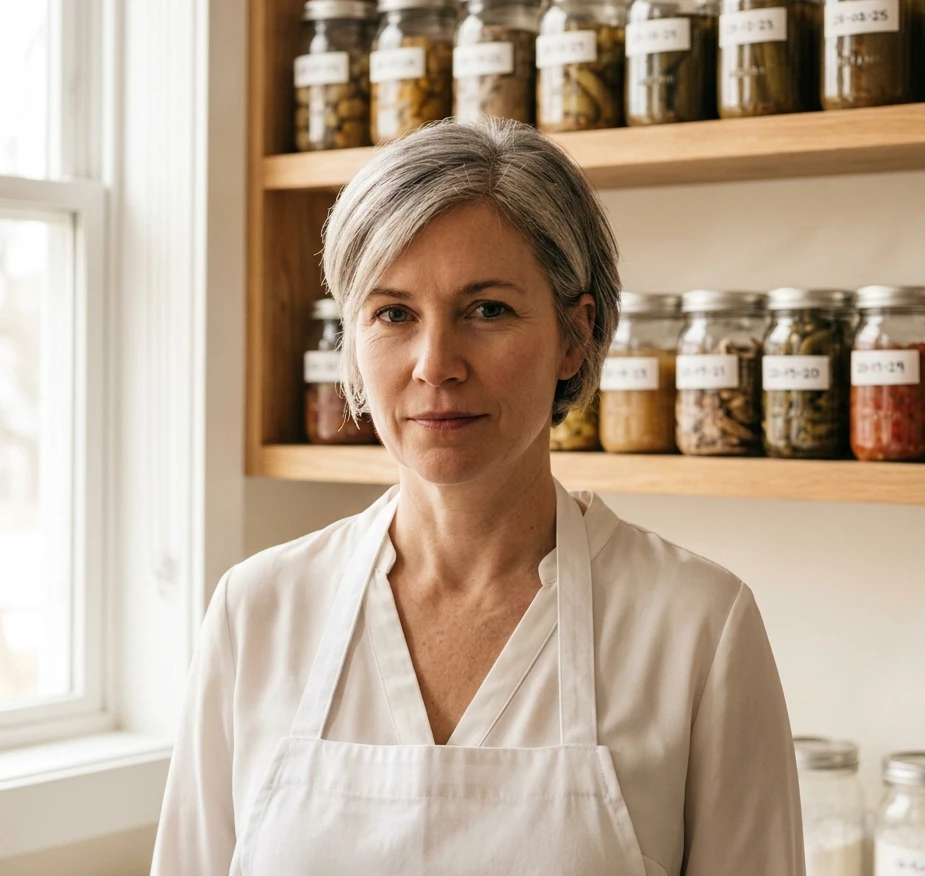
A culinary and historical voice connecting seasonal eating, memory, and domestic preparation across Atlas and the food network.
Dao of Seasons stays focused on present-tense action, but these voices give that action interpretive depth across body, food, land, and memory.
Open site team →Fitnessnav organizes comparative buying intelligence across commercial fitness brands, equipment categories, and market positioning.
Open site team →Frugal Organic Mama centers practical household seasonality: kitchen systems, plant observation, land timing, and food preparation under real domestic constraints.
Open site team →Missing Umami carries the food-facing voices of taste, ritual, ingredient timing, and the agrarian intelligence that makes cuisine seasonal.
Open site team →