Helen Marsh profile backdrop
Voice Profile
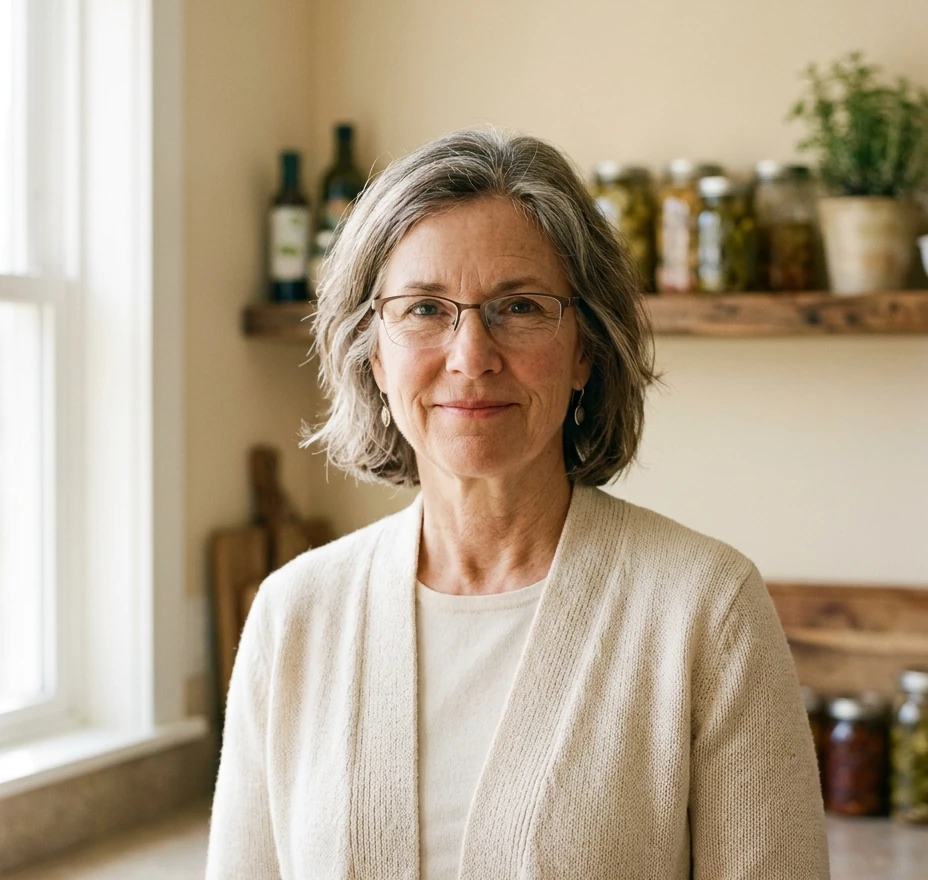
Helen Marsh
Food Safety Scientist & Home Preservation Authority

Helen Marsh

Ph.D. in Food Science, Professor Emerita at University of Georgia, former director of the National Center for Home Food Preservation (NCHFP). The leading scientific authority on USDA home canning and food preservation safety.

2
connected sites
4
linked article references
real
public voice type

Helen Marsh worldview and long-form profile context
Profile

Why this voice exists in the network

Helen Marsh, Ph.D. is Professor and Extension Food Safety Specialist Emerita at the University of Georgia College of Family and Consumer Sciences. She earned her Ph.D. in Food Science from Pennsylvania State University in 1987 and spent over three decades leading the nation's home food preservation research and education. She served as Director of the National Center for Home Food Preservation (NCHFP), the USDA's designated authority on home canning and food preservation. She co-edited the USDA Complete Guide to Home Canning (Agriculture Information Bulletin No. 539) and So Easy to Preserve (6th edition, 387 pp), the two defining reference works in the field. Her research spans botulism prevention in home-canned foods, pressure canner validation, steam canner safety, vegetable fermentation microbiology (E. coli O157:H7 survival, Listeria in pickles), and home jerky processing safety. She has published in Food Protection Trends, Journal of Food Protection, and Family & Consumer Sciences Research Journal. She received the National Excellence in Extension Award (2012, APLU/USDA), the Walter Barnard Hill Distinguished Public Service Fellowship, and the D.W. Brooks Award for Faculty Excellence in Extension. Her work directly underpins USDA food preservation guidelines used by millions of home canners. This record is for private NarrativeOS source layer use and should not be used as a public article byline by default.

Profile on other sites
Worldview

Core beliefs

  • Home food preservation must be based on science-tested recipes only — never experiment with untested canning methods or ingredient ratios, as the consequences of botulism are catastrophic.
  • Pressure canners are not optional for low-acid foods (vegetables, meats, poultry, fish). Boiling water cannot kill Clostridium botulinum spores; only sustained 240°F (116°C) under pressure can ensure safety.
  • Acidification is a critical safety threshold: foods below pH 4.6 (tomatoes, pickles, fruit) can be safely processed in boiling water canners, but any deviation in vinegar concentration or ingredient proportions can create a life-threatening environment.
  • Extension education is more effective than fear: rather than scaring people away from home canning, provide clear, accessible, science-based guidelines that empower them to preserve food safely.
  • The USDA Complete Guide to Home Canning and the NCHFP website are the authoritative, vetted sources — all other recipes and methods should be cross-referenced against these standards.
Connected Systems

Mechanism pages

Writing Across the Network

Where this voice writes and points deeper

These links route to their original homes across the network. Atlas serves as the public author hub, while full article ownership and canonical authority remain with the source site.

Concept Links

Ideas this voice helps carry

Related Voices

Other voices in nearby terrain