Pine backdrop
Entity Profile

Pine

Plant Level 1 — Concrete The Way of Nature Atlas ↗ #plant #conifer #evergreen #tree

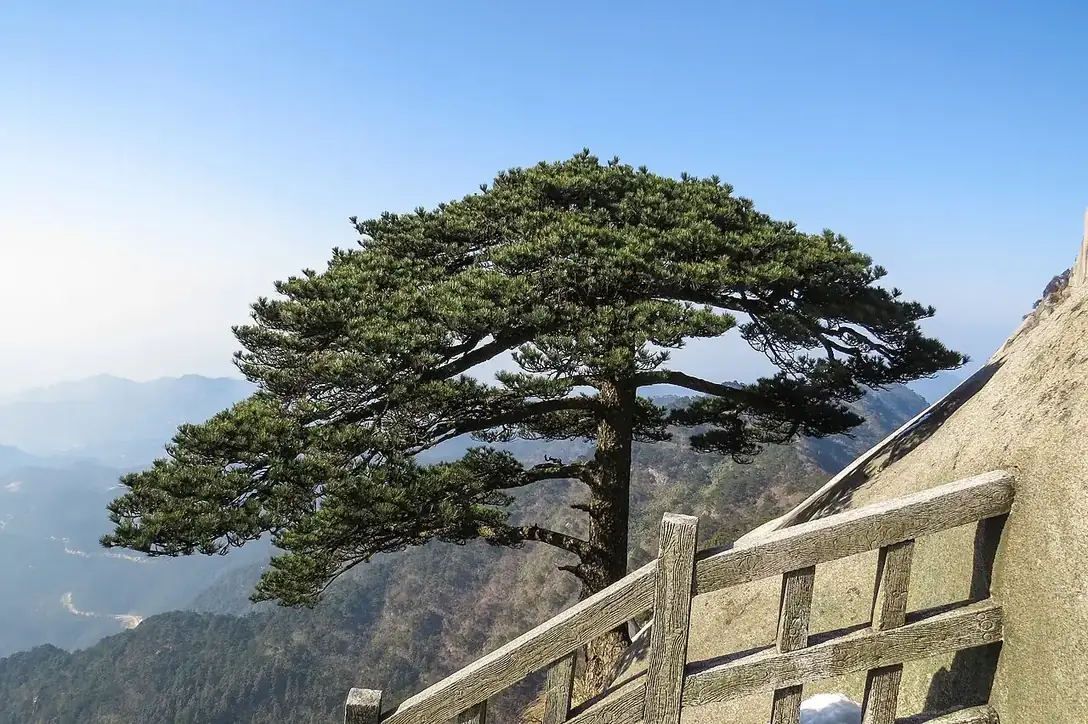
Pine (松树) is a genus of coniferous evergreen trees in the family Pinaceae, widely distributed across the Northern Hemisphere, and deeply symbolic in East Asian art, literature, and spirituality.

Plant
primary type
Level 1
Concrete entity
5
relationships mapped
Overview

About Pine

Pine (松树, sōngshù) is a genus (Pinus) of coniferous evergreen trees in the family Pinaceae, comprising approximately 120 species distributed across the Northern Hemisphere. Pines are characterized by needle-like leaves borne in bundles (fascicles), woody cones, and a distinctive resinous sap. They are among the most adaptable and resilient tree genera, thriving in environments ranging from sea level to alpine treelines, from arid scrublands to temperate rainforests.

Pines exhibit remarkable longevity and hardiness. Some species, such as the bristlecone pine (Pinus longaeva), are among the oldest living organisms on Earth, with individual trees exceeding 4,800 years. In East Asia, the most culturally significant species include the Chinese red pine (Pinus tabuliformis), the Japanese black pine (Pinus thunbergii), and the Korean pine (Pinus koraiensis). Pines are pioneer species, able to colonize poor soils and disturbed sites, where their deep taproots and mycorrhizal associations allow them to access nutrients unavailable to other plants.

In East Asian culture, the pine is the foremost symbol of longevity, endurance, and moral integrity. Together with bamboo and plum blossom, it forms the "Three Friends of Winter" (岁寒三友, suìhán sānyǒu), a classical artistic motif representing resilience in adversity. The pine's evergreen needles, which remain green through winter, symbolize constancy and virtue. In Daoist and Buddhist traditions, the pine is associated with immortality and spiritual practice—immortals and hermits are often depicted meditating beneath ancient pines. Pine trees are a staple of Chinese landscape painting (山水画, shānshuǐ huà) and Japanese zen gardens (枯山水, karesansui).

Pine has numerous practical applications in East Asian life. Pine nuts (松子, sōngzǐ) from the Korean pine and stone pine are a prized ingredient in Chinese and Korean cuisine, used in stir-fries, congee, and desserts. Pine resin is tapped for turpentine and rosin production. In traditional Chinese medicine, pine pollen (松花粉, sōnghuāfěn) is used as a nutritive tonic, while pine needle tea is consumed for its vitamin C content. Pine wood, being straight-grained and moderately durable, is widely used in construction, furniture making, and as a source of pulp for papermaking. The iconic pine-bamboo-plum motif continues to inspire contemporary design and art across East Asia.
Relationship Network

How Pine connects

Each relationship represents a meaningful semantic link between Pine and other entities in the Atlas knowledge graph.

Seasonal Timing

Pine across the solar year

These 24 solar terms mark when Pine appears, peaks, or transforms through the seasons.

立冬 Winter

Start of Winter

Solar term #19 · Nov 7-8 · Water

Pine trees are at their symbolic peak in winter

View on Dao of Seasons ↗
Entity Constellation

Entities connected to Pine

These entities share semantic relationships with Pine in the Atlas knowledge graph.

Naming

Also known as

松树 (synonym) Sōngshù (synonym) Pine (synonym) Matsu (Japanese) (synonym) 소나무 (Korean) (synonym) Pinus (synonym)
Atlas Role

Pine in the Atlas

What this entity provides

Pine (松树) is the Atlas's symbol of endurance—an evergreen conifer that, together with bamboo and plum, forms the 'Three Friends of Winter' (岁寒三友). Its longevity (thousands of years), resilience in harsh conditions, and year-round green make it the preeminent emblem of moral constancy. Pine nuts are a prized ingredient, pine resin used in ink sticks, and pine trees anchor the landscapes of Mount Tai, Wudang Mountains, and temple gardens.

What it does NOT duplicate
  • bamboo (竹子)—another 'Three Friends' member but a grass rather than a conifer
  • plum (梅花)—another 'Three Friends' member but deciduous and valued for blossoms rather than evergreen needles
Subsite References
atlasofheritage

Pine, bamboo, and plum blossom as the 'Three Friends of Winter' is one of China's most enduring artistic and philosophical motifs.

taichi-institute

Ancient pines at Wudang Mountains and Mount Tai are the silent witnesses of centuries of Daoist cultivation.

dao-of-seasons

Pine remains green through winter, marking the season's passage while appearing unchanging.

Sources & References

References for Pine

Owner Site

The Way of Nature Atlas

Central Atlas — provides Overview pages for all entities. Does not produce original entity content, only aggregates and references.

ConceptCraftMountainRiverFestival