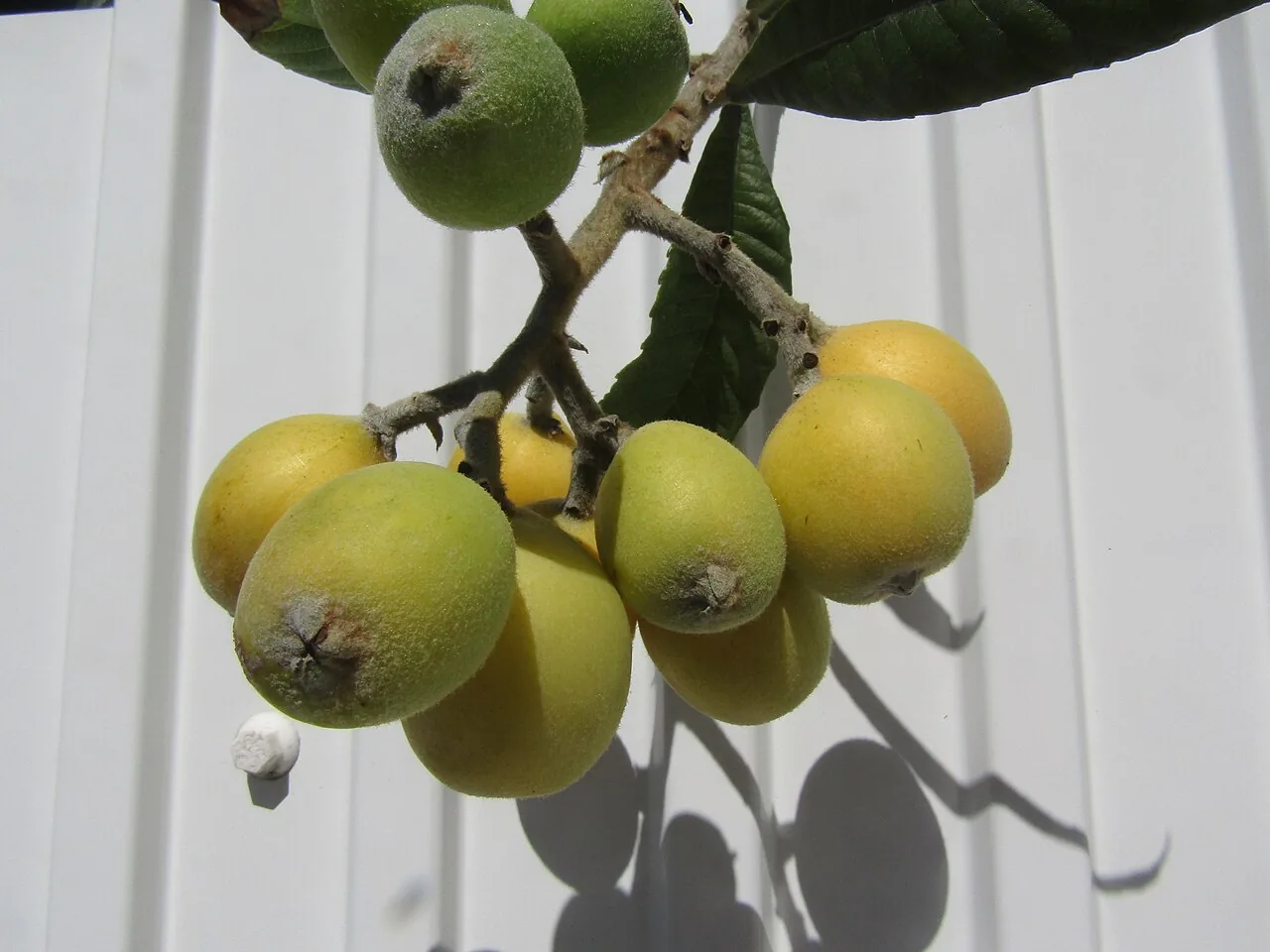
Loquat (枇杷, pípá, named for its resemblance to the Chinese lute instrument) is the small, golden-orange fruit of Eriobotrya japonica, an evergreen tree native to the hills of southeastern China. The fruit grows in clusters, each roughly the size of a plum, with a thin, velvety skin that ranges from pale yellow to deep orange. Inside, the juicy flesh surrounds three to five large brown seeds. The flavor is a distinctive balance of sweet and tart, often described as a cross between apricot, peach, and citrus, with floral undertones. Despite being botanically a fruit, loquat is treated here as an Ingredient because of its primary role in processed culinary applications rather than fresh consumption.
Loquat is most commonly processed rather than eaten fresh, though fresh fruit is enjoyed at the peak of its brief season. It is made into jams, jellies, syrups, and fruit preserves. In Chinese cuisine, loquat is often poached in sugar syrup with rock sugar (冰糖, bingtang) and dried goji berries to make a cooling dessert soup. The fruit is also used to flavor beverages — loquat juice, iced teas, and cocktails — and is distilled into liqueur in some regions. A traditional Cantonese preparation combines loquat with snow fungus (银耳, yin'er) and red dates in a sweet, soothing soup. The seeds, though mildly toxic when raw due to cyanogenic glycosides, are sometimes roasted and ground for use in traditional preparations. Loquat leaves are dried and brewed into a medicinal tea widely used in East Asian folk medicine.
Loquat holds a respected place in Chinese food culture as both a delicacy and a medicinal ingredient. In traditional Chinese medicine, loquat is considered cooling (凉, liang) and moistening, used to soothe the lungs and relieve coughs. The famous loquat syrup (枇杷膏, pípá gāo) — a thick, sweet paste made from loquat fruit and leaves, honey, and medicinal herbs — is a staple household remedy for sore throats and dry coughs throughout East Asia. The tree itself is a popular ornamental in Chinese gardens, prized for its large, dark green leaves and fragrant late-autumn blossoms. The fruit appears in Chinese poetry and painting as a symbol of late spring abundance and domestic tranquility.
Loquat's season is one of the earliest and briefest among Chinese fruits. The trees bloom in late autumn, and the fruit ripens in early to mid-spring, typically from late March through May. This timing makes loquat one of the first fresh fruits to appear after winter, arriving well before summer stone fruits. In southern China where subtropical conditions prevail, loquat harvest can begin as early as late March (around T-grain-rain). The peak season typically spans April to May. Because fresh loquats bruise easily and have a short shelf life of only a few days, the harvest is intense and immediate — most of the crop is processed within 48 hours of picking, connecting the fruit to the rhythms of sun-drying and preserving at peak ripeness.
Loquat is related_to the broader medicinal and culinary traditions of southern China, and its use in the classic loquat syrup brings it into relationship with the concept of harmony (和, he) in traditional wellness — the balance of cooling and warming properties in diet.